Balancing Tradition and Modernity: Design Trends in Commercial Architecture Apr 26, 2026
At the heart of this movement is the quest to respect and maintain elements of tradition while embracing innovative materials, technologies, and sustainable practices. Many businesses today acknowledge the cultural value of preserving historical architecture. This respect for history can add a unique charm to commercial properties, fostering a sense of continuity and reliability. However, integrating modernity ensures that these spaces also meet today's business needs, enhancing functionality and efficiency.
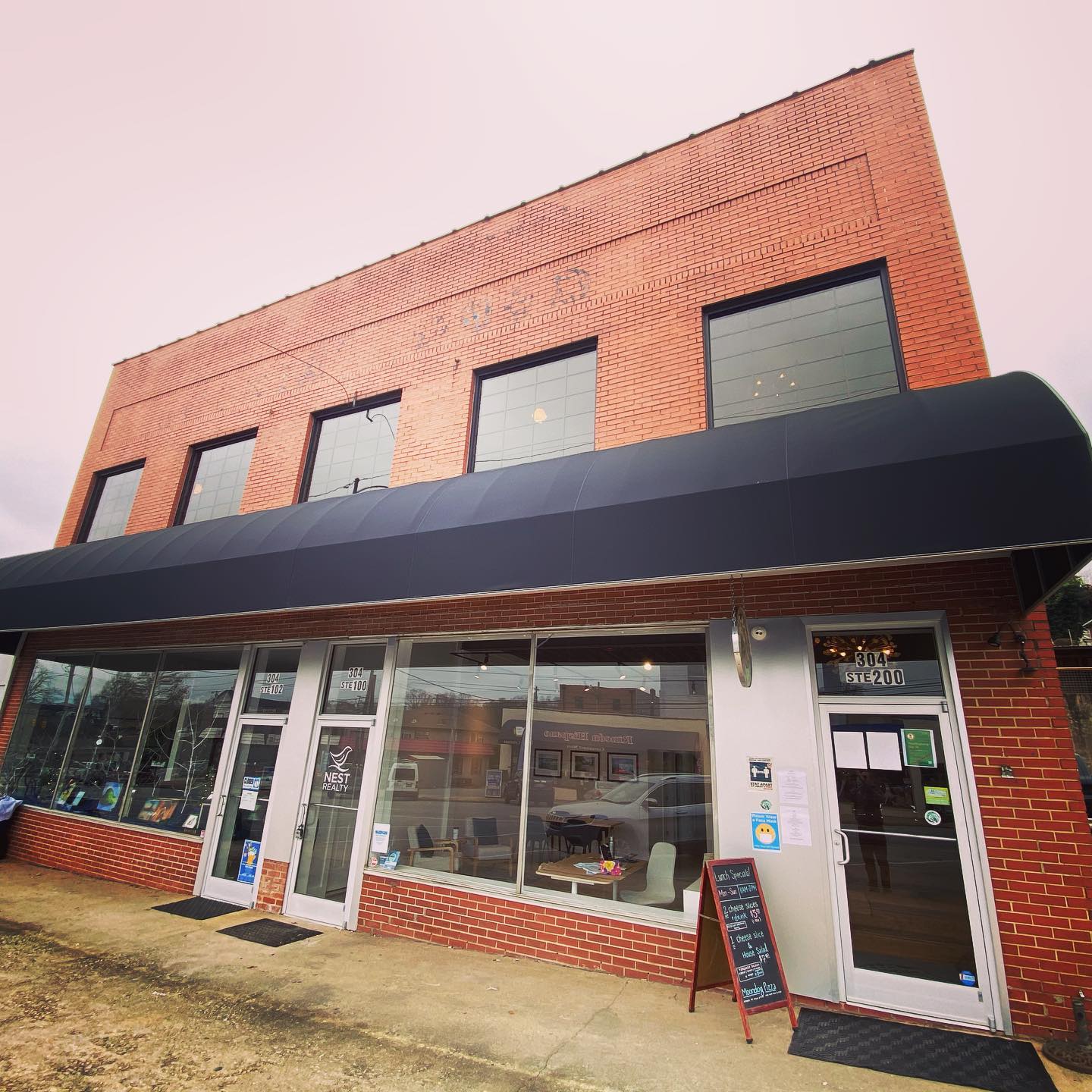
One prominent trend is adaptive reuse, which involves repurposing old buildings to serve new functions. This approach honors the past while injecting new life into existing structures, often with minimal environmental impact. For example, turning an old factory into a vibrant co-working space retains the building's industrial charm but incorporates open-plan layouts, natural lighting, and energy-efficient systems. Such transformations are not only cost-effective but also contribute to urban sustainability by reducing the need for new construction.
Another trend gaining momentum is the incorporation of smart building technology. As the demand for intelligent, integrated systems grows, so too does the need for structures to be retrofitted with technology that enhances user experience and operational efficiency. From automated HVAC systems that optimize energy use to smart lighting and security systems that can be managed remotely, these innovations bridge the gap between past construction practices and future needs.
Sustainability continues to be a driving force in commercial architecture. Clients seek to lower their carbon footprints while creating healthier environments for their employees and visitors. Emphasizing green design elements like living walls, solar panels, and sustainable materials can effectively marry modern efficiency with classical aesthetic sensibilities. Additionally, eco-friendly certifications such as LEED have become more significant, pushing architects and builders to incorporate environmentally responsible practices into their projects.
Workplace wellness is another aspect that has significantly influenced current design trends. Modern commercial spaces often include areas that promote relaxation and creative thinking, such as green roofs, terraces, collaborative workspaces, and wellness rooms. These spaces are designed not only for productivity but also for the well-being of employees, drawing from an understanding of human-centric architectural design that appreciates the impact of ambiance on mood and efficiency.
Ridgeline Building Corporation is at the forefront of these trends, committed to understanding the unique needs of each client and blending timeless tradition with cutting-edge innovations. By doing so, it ensures projects not only honor heritage but also prepare for tomorrow's challenges.
As we look to the future, the intersection of tradition and modernity in commercial architecture will continue to evolve. Embracing both ends of this spectrum positions businesses to succeed, ensuring that constructed spaces are not only reflective of past achievements but also equipped for future demands. With a thoughtful approach, companies can enjoy the richness of history while remaining current in a rapidly advancing world. The balance struck between these elements ultimately defines the unique character of commercial spaces, delighting stakeholders, inhabitants, and visitors alike.
/filters:no_upscale()/filters:format(webp)/media/9320ab2c-3b21-4183-a7a3-cc561be89208.jpeg)