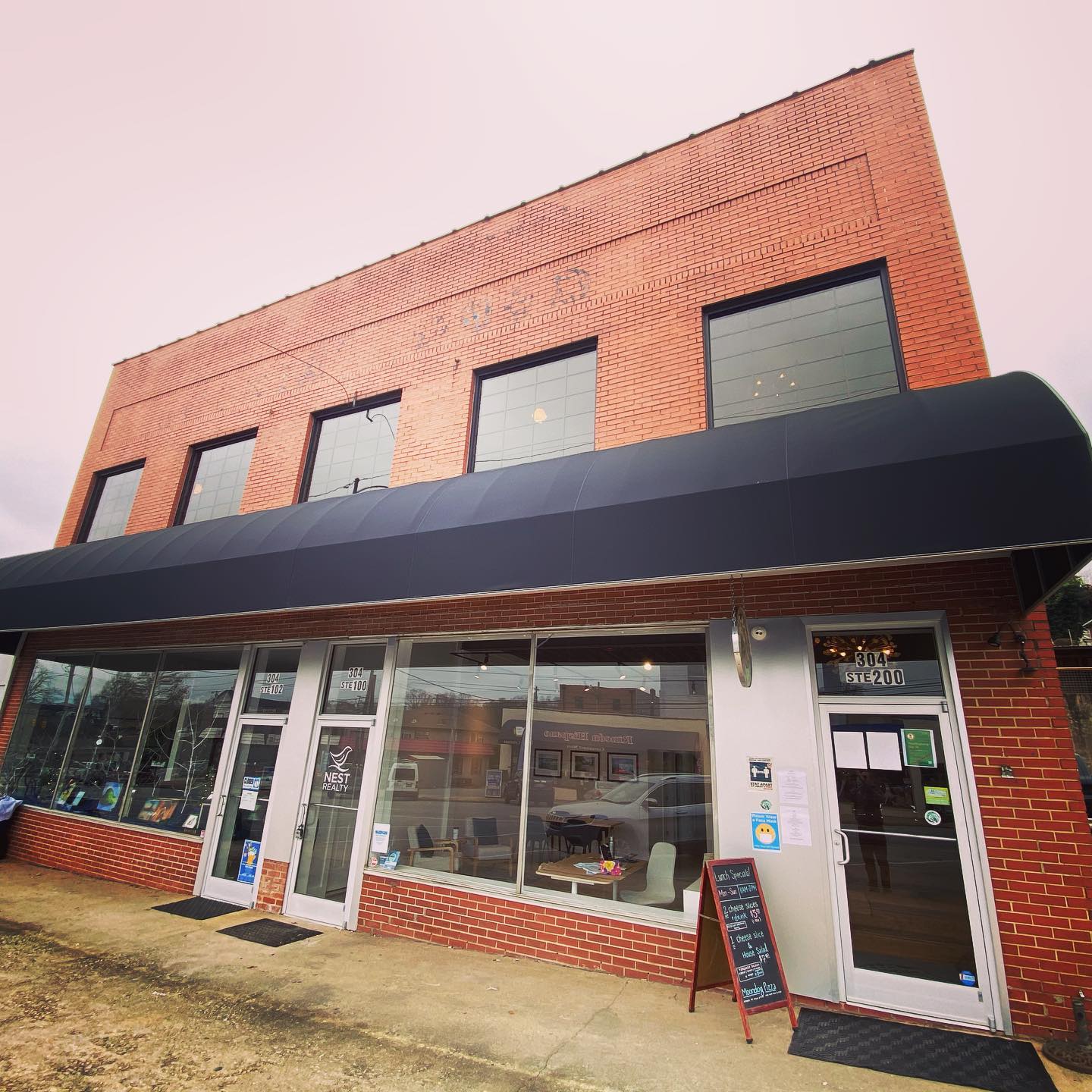
Bridging Aesthetics and Functionality: The Art of Facade Design in Commercial Buildings Jun 10, 2026
When approaching facade design, the first consideration should be the building's purpose. The facade must align with the building’s intended function, whether it’s an office space, retail outlet, or a mixed-use development. Each type requires a different approach to sunlight exposure, thermal performance, and aesthetic appeal. For example, office buildings benefit from large windows for natural lighting, though they should incorporate shading devices to maintain energy efficiency.
Another key aspect of facade design involves selecting the right materials. The choice of materials significantly impacts not just the visual appeal but also the building's longevity and maintenance needs. Advanced materials like high-performance glass and innovative cladding solutions can offer a sleek appearance while improving insulation and durability. Ridgeline's expertise in selecting materials tailored to a project's specific needs can ensure the facade is both striking and sustainable.
Architectural trends continue to evolve, and staying current can greatly influence design decisions. Current trends emphasize sustainability and smart building technologies. Features such as green walls or solar panels can transform a facade from mere aesthetics to an active component of the building's environmental and energy strategy. Ridgeline Building Corporation is well-equipped to integrate cutting-edge technologies that enhance both the beauty and functionality of commercial spaces, directly catering to modern business requirements and environmental standards.
Weather resilience is also a crucial consideration, especially in commercial construction. A carefully designed facade protects the building from elements like wind, rain, and temperature fluctuations, mitigating the impact on the building's structural integrity. The facade should be designed to both withstand and leverage the local climate. In regions prone to heavy rainfall or high winds, sturdier materials and innovative designs that divert rainwater are essential. Meanwhile, in hot climates, facades need effective insulation to keep interiors cool, which can be achieved through modern design practices.
Beyond these practical aspects, facade design offers an opportunity to express a brand's identity. It is often the first impression people get of your building and by extension, your business. A well-crafted facade can communicate corporate values, such as professionalism, innovation, and sustainability. Ridgeline Building Corporation understands the importance of this visual language and can help businesses articulate their brand narrative through expert facade design.
In conclusion, the art of facade design in commercial buildings is about more than just looking good. It involves harmonizing every aspect, from aesthetics and functionality to sustainability and brand identity, creating a cohesive whole. As Ridgeline Building Corporation emphasizes, a successfully designed facade not only enhances the building’s performance and efficiency but also elevates the business it represents.
Incorporating these principles in facade design not only ensures commercial buildings stand out architecturally but also provides tangible benefits in energy savings, environmental impact, and brand storytelling. By bridging aesthetics and functionality, businesses can significantly enhance their workspace quality and appeal, ultimately leading to long-term satisfaction and success.
/filters:no_upscale()/filters:format(webp)/media/9320ab2c-3b21-4183-a7a3-cc561be89208.jpeg)