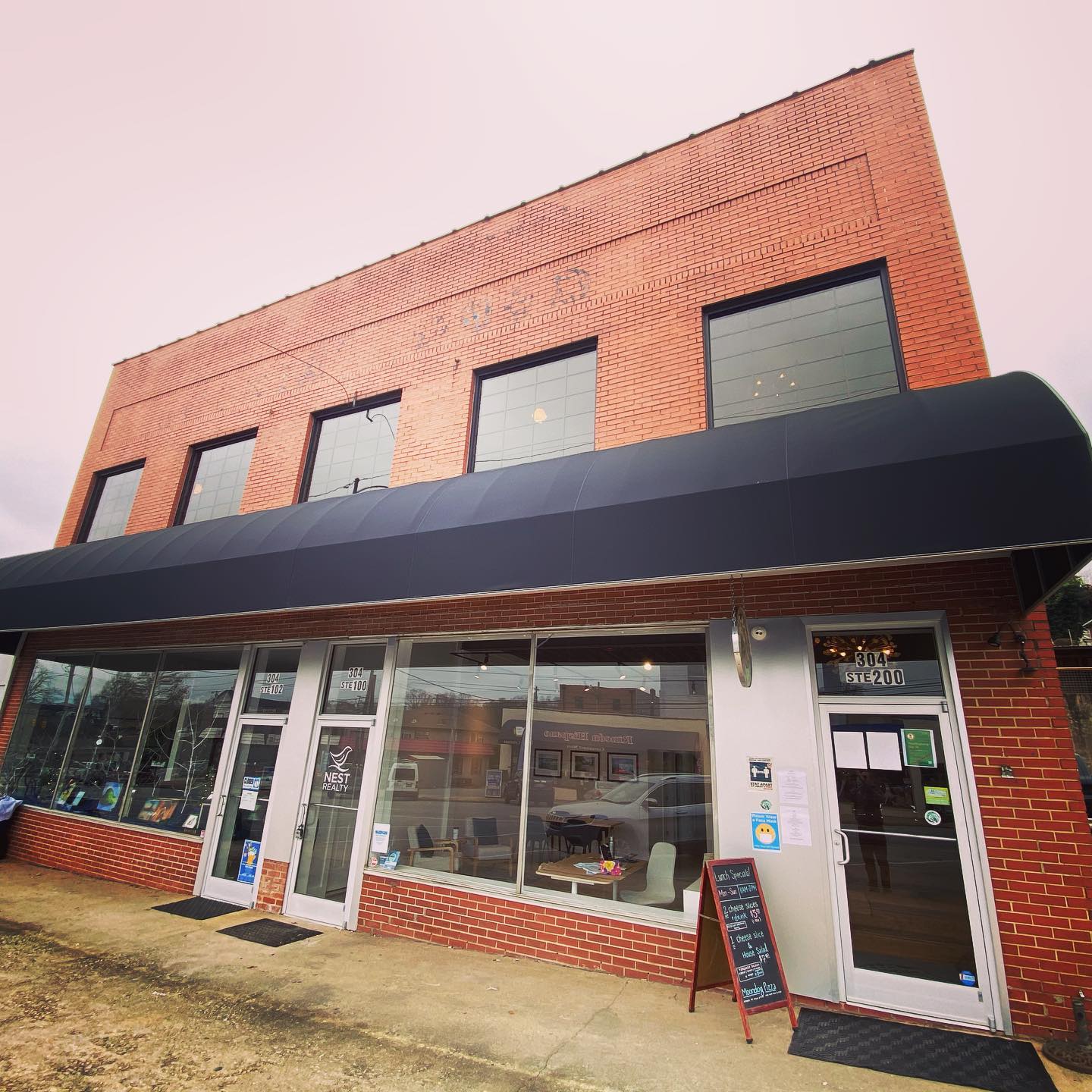
Enhancing Urban Landscapes: The Role of Aesthetic Design in Commercial Construction Jan 22, 2026
Aesthetic design in commercial construction goes beyond mere appearance. It encompasses the thoughtful integration of architectural elements, sustainable practices, and innovative designs that contribute to the overall ambiance and utility of a space. As we delve into the role of aesthetic design in commercial construction, it becomes clear that these elements work in harmony to create environments that resonate with their inhabitants and visitors.
To begin with, aesthetic design plays a crucial role in harmonizing new constructions with existing urban environments. Cities often possess rich architectural histories that residents and visitors cherish. By respecting and enhancing these elements through aesthetic design, companies like Ridgeline Building Corporation maintain the cultural identity of urban spaces while accommodating modern needs. This careful balance ensures that new buildings do not overshadow historical landmarks but instead coexist and enrich the community’s character.
Moreover, aesthetic design is integral to creating spaces that draw people in. Commercial buildings are not just about functionality; they serve as gathering spots and economic centers. A visually appealing building can foster a sense of place and belonging, encouraging foot traffic that benefits local businesses. When visitors and residents feel connected to a space, it not only boosts the building's value but also enhances the surrounding economy.
Another vital aspect of aesthetic design is its relationship with sustainability. In today's environmentally conscious society, integrating green building practices has become essential. Aesthetic choices that utilize natural light, energy-efficient systems, and sustainable materials not only reduce environmental impact but can also lower operational costs for businesses occupying these spaces. Ridgeline Building Corporation consistently blends these elements, ensuring that each project not only meets but also exceeds local environmental standards.
Aesthetic design can also significantly influence the functionality and accessibility of commercial spaces. Thoughtfully designed buildings consider the needs of all users, including those with disabilities. Features such as strategic entrance locations, clearly marked signage, and barrier-free navigation ensure inclusivity. By prioritizing these design elements, commercial construction companies create spaces that serve as models for accessible and inclusive design practices.
Incorporating aesthetic design into commercial construction is not just about achieving immediate visual impact. It is about making a lasting contribution to the urban landscape. Buildings designed with aesthetic principles in mind stand the test of time, both in structural integrity and in their ability to engage communities.
In conclusion, Ridgeline Building Corporation recognizes the importance of aesthetic design in enhancing urban landscapes. By prioritizing architecture that respects cultural heritage, promotes economic vitality, incorporates sustainability, and ensures accessibility, the company transforms urban areas into vibrant, functional spaces. These efforts ultimately lead to thriving communities that are well-prepared to adapt to future challenges, proving that aesthetic design is more than a trend—it is a crucial component of successful urban development.
/filters:no_upscale()/filters:format(webp)/media/9320ab2c-3b21-4183-a7a3-cc561be89208.jpeg)